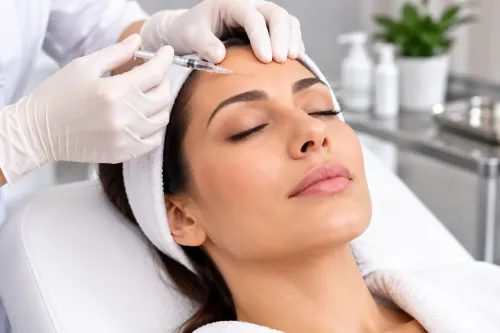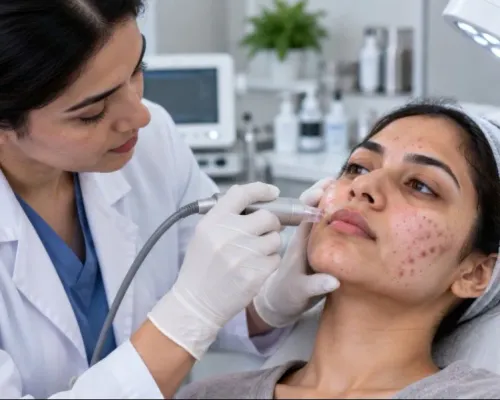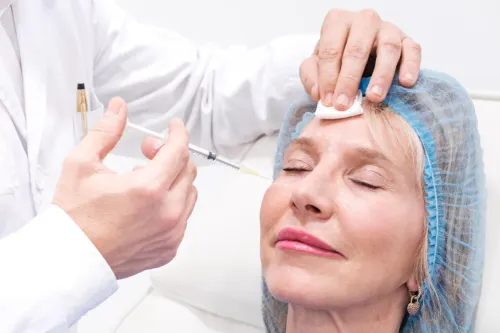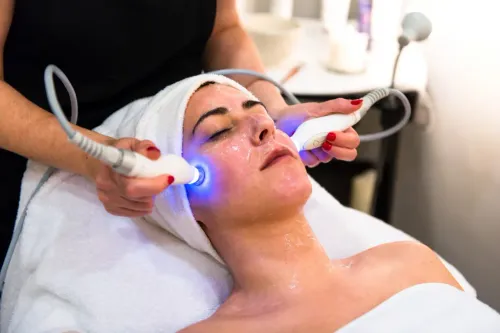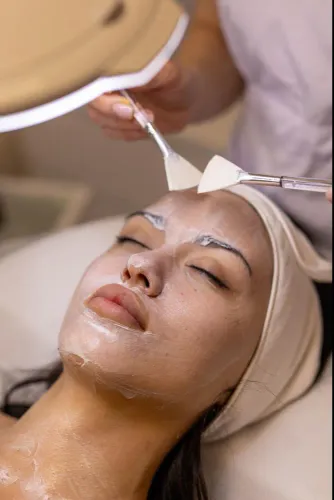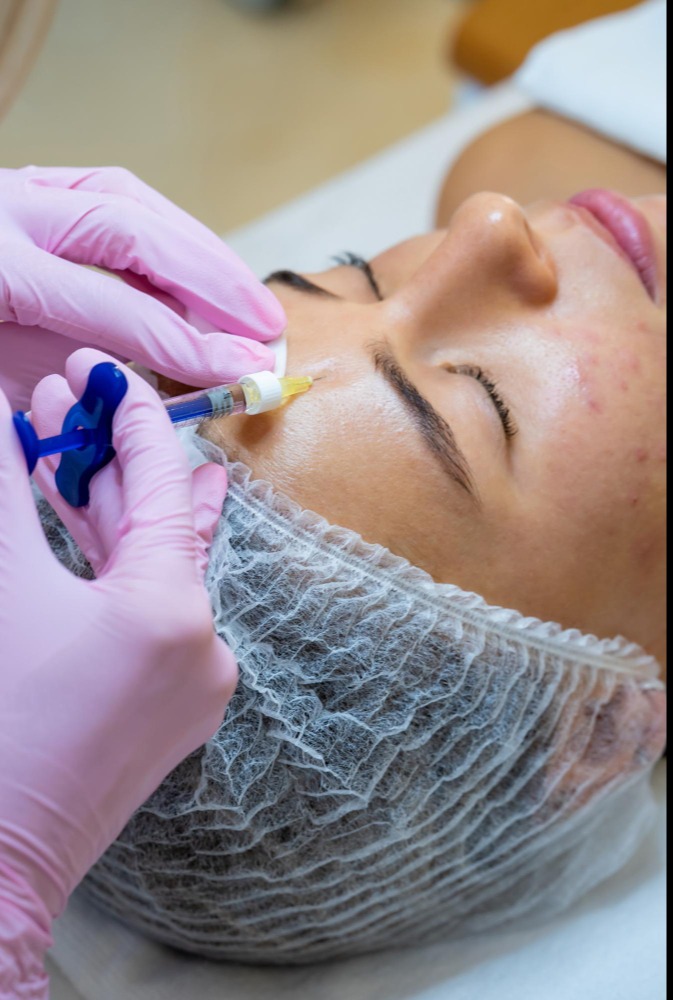
PRP skin rejuvenation uses platelet-rich plasma prepared from a patient’s own blood as part of a regenerative aesthetic procedure. It is considered by some individuals seeking improvement in overall skin quality, texture, or rejuvenation.
Because PRP is frequently promoted online for a wide range of cosmetic concerns, patients need realistic information about its purpose, limitations, and treatment process before proceeding.
For individuals considering PRP in Kalamboli, a professional assessment can determine whether the treatment matches the actual skin concern.
How Is PRP Prepared?
A small amount of the patient’s blood is collected and processed to separate a platelet-rich component.
The prepared material is then used according to the selected treatment protocol. Techniques may differ depending on the clinical objective.
Because blood collection and skin procedures are involved, infection-control standards, sterile handling, and appropriate clinical protocols are essential.
What Is PRP Commonly Considered For?
In aesthetic practice, PRP may be discussed for skin rejuvenation and selected concerns involving skin quality.
It should not be presented as a universal solution for every pigmentation problem, scar, wrinkle, or dermatological condition.
For example, deep acne scars may require procedures specifically selected according to scar type. Significant pigmentation may need diagnosis before treatment because different pigmentation disorders respond differently.
Who Needs Careful Assessment?
A detailed history should be taken before PRP.
Certain blood disorders, medications, active infections, health conditions, or other factors may influence suitability. Patients should never hide medication use simply because PRP uses their own blood.
Pregnancy, ongoing illness, or active skin problems may also affect whether an elective aesthetic procedure should proceed.
How Quickly Do Results Appear?
PRP is not generally approached as an instant cosmetic transformation.
When improvement occurs, it may develop gradually, and treatment plans can involve more than one session depending on the indication and individual response.
Patients should be cautious of guarantees regarding exact percentages of improvement or permanent results.
What Should You Check Before Booking?
Before choosing a provider, ask about:
- Who evaluates your suitability
- How the PRP is prepared
- Hygiene protocols
- Expected treatment course
- Possible downtime
- Potential side effects
- Alternative treatments for your concern
The Skin Edit Clinic evaluates patients before recommending regenerative aesthetic procedures. This helps distinguish between someone who may reasonably consider PRP and someone whose concern could respond better to another dermatological treatment.
PRP can form part of a broader rejuvenation strategy, but treatment decisions should be based on the skin problem rather than the popularity of the procedure.
For prospective patients, the strongest readiness indicator is having a clearly defined goal and realistic expectations. A consultation should clarify whether PRP addresses that goal, whether another procedure is more appropriate, and what degree of improvement can reasonably be expected.
Keywords